
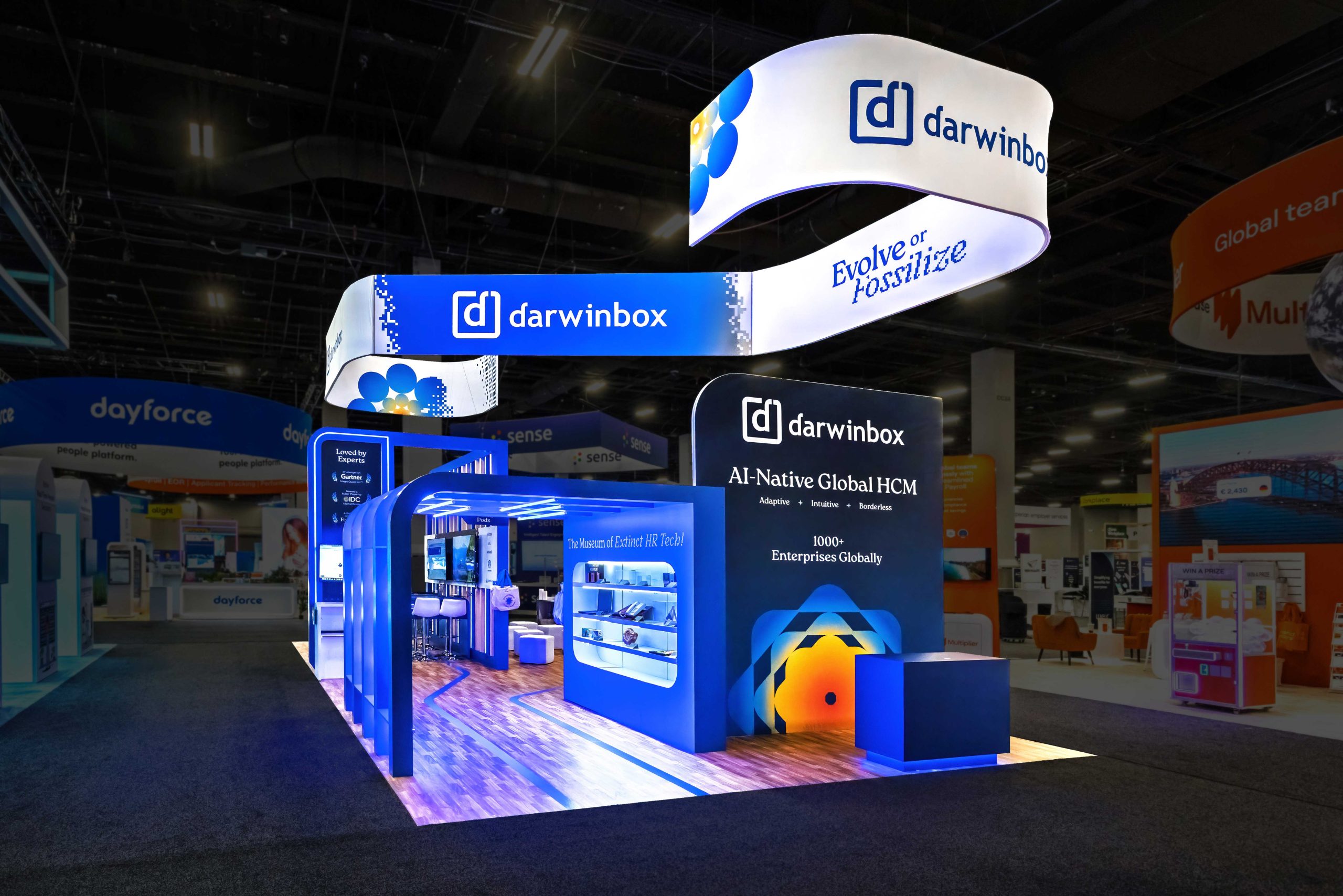
Turnkey Exhibit Rentals, The Done for You Advantage | Abex
The Turnkey Advantage: What Done for You Exhibit Rentals Really Include and Why It Matters
A successful event presence hinges on more than a striking structure. It depends on tight orchestration across design, production, logistics, labor, compliance, and on site execution. Turnkey exhibit rentals bring those moving parts into a single accountable program, delivering a full service trade show booth backed by experienced exhibit house services. This guide clarifies what turnkey actually includes, what it does not, how costs and risks compare, and how to evaluate providers with confidence.
What turnkey exhibit rentals mean today
Turnkey exhibit rentals combine custom design, rental hardware, production, logistics, and on site labor into one scope that is priced, scheduled, and delivered by a single partner. The best programs deliver a branded environment that looks and performs like a custom build while avoiding ownership overhead. Industry voices note that well executed rentals are often indistinguishable from custom exhibits, which underscores how far rental programs have evolved Exhibitor magazine feature.
Turnkey also aligns with broader event momentum. Independent research shows continued growth and recovery in the business events sector, with forecasts that help exhibitors plan multi year investments with greater confidence CEIR Index overview CEIR Index release and forecast.
What a full service trade show booth package typically includes
Turnkey scope varies by provider and show rules. The list below covers what a credible program should include for most exhibitions in North America. Where rules or venue jurisdiction applies, we call out the authority for context.
Strategy, design, and graphics
- Discovery on objectives, audience, product stories, and budget
- Scaled 3D design and space planning that adheres to display rules in the event manual or the recognized standard for North America, the IAEE display rules and regulations reference
- Branded graphics production with file prep and proofing standards
Rental structure and finishes
- System or custom hybrid architecture sized for the stand footprint
- Integrated lighting, shelving, demo stations, counters, storage, and reception
- Flooring, furniture, and accessory packages as specified
Pre show logistics and paperwork
- Show service ordering through the official manual and portals
- Utilities coordination for electrical, internet, plumbing, and rigging, including venue exclusives such as OCCC power and rigging services
- Carrier scheduling, labels, and target move in planning
- Deadline management for discounted rates, which can deliver meaningful savings in some shows when orders are placed before the discount date example event manual
On site delivery, install, and dismantle
- Supervised delivery to the booth and complete install
- Hour by hour coordination with the General Service Contractor and venue
- Hand off with final walk through before opening
- Dismantle, pack out, and outbound paperwork at close
Post show wrap
- Consolidated invoicing and variance reconciliation
- Optional storage of graphics for future rentals or reprints
- Post show performance debrief with updates to the next plan
What turnkey usually does not include, and why it matters
Even the most complete program will stop at the boundaries set by the venue, the organizer, or the General Service Contractor. These items are commonly out of scope or billed separately. Understanding them up front prevents budget surprises.
Material handling also called drayage
Material handling covers the movement of freight from the dock or advance warehouse to the booth, storage of empties, and outbound return to the dock. This is a show controlled service and is typically billed by the hundredweight. It is not shipping and it is not the same as install labor. Many manuals explicitly define this scope, for example the PGA Show guidance that lists what the charge includes end to end material handling scope. A practical primer on drayage costs and ways to mitigate them is also helpful reading drayage primer.
Venue exclusives and union jurisdictions
Many venues reserve certain services exclusively and enforce union jurisdictions for others. Examples include electrical service, aerial rigging, and internet at OCCC in Orlando. McCormick Place publishes a clear overview of event contractor rules, rights, and procedures that impact planning, labor, and scheduling McCormick Place rules and rights. For city specific guidance, show manuals and jurisdiction sheets outline what exhibitors can do with their own staff and where union labor is required Chicago labor jurisdictions example.
Engineering and rigging approvals
Hanging signs, truss, and any load above people will require engineered drawings, stamped plans in some cases, and advance approval by the venue through the General Service Contractor. Typical submission windows require plans weeks before move in and specify digital file formats for review LVCC rigging regulations NHS rigging manual example.
Facility safety and compliance
Venue and industry bodies publish safety practices that inform both organizer policies and contractor procedures. The exhibition services community offers consolidated guidance that references recognized associations including IAEE and IAVM ESCA health and safety guidance. These frameworks shape how install crews work, what equipment is permitted, and how housekeeping and sanitizing are handled during build, show run, and dismantle.
Cost and risk comparison
Ownership can be right for programs with large footprints, long life cycles, and frequent use. Turnkey rentals can be right for brands that value agility, predictable cost, and lower risk. For sample numbers and bundles, see full service trade show booth pricing and packages. Use the matrix below to frame the tradeoffs.
| Option | Best for | Pros | Cons |
| Buy and build | Long horizon programs with stable brand and product lines | Asset control, deep customization, depreciation planning | Capital tie up, storage and maintenance, refresh costs, disposal at end of life |
| Standard rental | Smaller footprints and campaigns where the story changes often | Lowest upfront cost, fast turnaround, no storage | Limited differentiation if poorly selected, can look generic without thoughtful design |
| Turnkey rental program | Demand for custom level presence with accountable single partner delivery | One contract and schedule, custom branded look, predictable total cost, no ownership risk | Premium over basic rentals, scope clarity needed to avoid change orders |
The hidden value of done for you delivery
The most significant payoff from turnkey is risk transfer. A single partner absorbs coordination risk across ordering portals, target schedules, advance shipments, marshaling yard logistics, dock marshaling, show management approvals, and final inspections. That partner also buffers the internal team from the compliance rules that differ by venue and show. Examples include EAC registration processes, labor desk protocols, and deadlines. Event manuals illustrate this reality with extensive checklists and deadlines that a turnkey partner manages on your behalf example event manual.
A smart scope for exhibit house services
Use these scope lines as a litmus test when you evaluate a provider. Each item should be explicit in the proposal and the Master Services Agreement.
Pre show scope
- Final design package with stamped plan if rigging or structural loads apply LVCC rigging regulations NHS rigging manual example
- Service order management for electrical, internet, plumbing, cleaning, and rigging with proof of submission and confirmation numbers, aligned to the IAEE display rules where applicable
- Freight plan with carrier bookings, labels, and target schedule confirmation
- Graphics proof approvals with color targets and reprint policy
- Safety plan that conforms to industry guidance for build and dismantle ESCA health and safety guidance
On site scope
- Named supervisor with authority to approve changes
- Daily stand up and end of day report during install
- Punchlist sign off before show open
- Incident log and recovery plan for damaged freight or late arrivals
- Dismantle schedule and outbound paperwork control
Commercial terms
- Fixed price for defined scope with unit rates for out of scope tasks
- Pass through policy for show controlled charges such as material handling and venue exclusives OCCC exhibitor guidelines material handling scope example
- Allowance or contingency structure with clear release rules
- Warranty on workmanship and graphics quality
Timeline that prevents rush fees and scope creep
Every event has its own calendar, yet the rhythm rarely changes. Build in these milestones to protect budget and quality. Some shows document real savings for meeting discount deadlines early, commonly in the range shown in their manual, so treat the calendar as non negotiable example event manual.
Twelve to eight weeks out
- Approve design and budget, confirm rigging intent if any
- Submit engineered drawings and hanging sign forms as required LVCC rigging regulations NHS rigging manual example
- Book carrier and align to target move in schedule
Eight to four weeks out
- Place all show service orders and document confirmations
- Finalize graphics and lock specs for furniture, flooring, and lighting
- Confirm EAC registration if an Exhibitor Appointed Contractor will be used example event manual
Four weeks to show open
- Issue show site plan with hour by hour build and inspections
- Validate crew credentials, PPE, and equipment plan per safety guidance ESCA health and safety guidance
- Re confirm outbound carrier and dismantle plan
Common myths about turnkey exhibit rentals
Myth Turnkey means cookie cutter.
Reality Rental catalogs now include advanced system components, custom cladding, integrated light, audio, and LED, and branded millwork. When design leads, the result can be indistinguishable from custom Exhibitor magazine feature.
Myth Turnkey includes drayage.
Reality Material handling is a show controlled charge and is typically separate from provider scope unless explicitly bundled. Manuals clearly describe what the charge covers material handling scope drayage primer.
Myth Turnkey eliminates the need to read the manual.
Reality A partner manages the manual, but leadership still signs service orders and accepts risk. Knowing display rules and venue exclusives remains essential IAEE display rules OCCC exhibitor guidelines McCormick Place rules and rights.
Evaluation checklist for selecting an exhibit house
You can also review our site for a deeper walk through.
| Step | Action | Owner |
| 1 | Define goals, footprint, and budget bands | Marketing lead |
| 2 | Request a turnkey scope that maps every show service line | Procurement |
| 3 | Validate the plan against IAEE display rules and the event manual | Event manager |
| 4 | Confirm venue exclusives and union jurisdictions | Event manager |
| 5 | Verify rigging or structural submittals and dates | Technical lead |
| 6 | Review safety practices and on site supervision plan | Operations |
| 7 | Lock deadlines for discount rates and EAC registrations | Project manager |
| 8 | Final sign off on design, graphics, and services | Executive sponsor |
Frequently asked questions
What is included in a turnkey exhibit rental
Design, rental hardware, graphics, logistics, and supervised install and dismantle are core inclusions. A strong program also manages service orders, deadlines, and on site coordination.
What is usually not included
Show controlled costs such as material handling, venue exclusive services, and required engineering or rigging approvals are commonly separate unless your agreement explicitly bundles them OCCC exhibitor guidelines material handling scope example LVCC rigging regulations.
How soon should planning start
Twelve weeks is a practical minimum for complex builds, earlier if rigging or double deck structures are in scope due to submittal requirements LVCC rigging regulations NHS rigging manual example.
How do we reduce drayage
Ship in fewer pieces, maximize density, use advance warehouses when advised, and align to target schedules. A widely read primer outlines practical approaches that reduce risk and cost drayage primer.
Why do deadlines matter
Events often offer discounted rates for early orders. Manuals document the window and potential savings, which can materially improve the budget example event manual.
Conclusion
Turnkey exhibit rentals create clarity, compress timelines, and reduce risk by unifying scope, schedules, and accountability. With the right partner, brands gain a custom level presence without ownership burden, while staying compliant with venue and organizer requirements. If your team is ready to convert event plans into outcomes with a single accountable program, request a turnkey blueprint and budget today. Our team will deliver a full service trade show booth plan that fits your goals, calendar, and compliance needs. For inspiration, explore https://abex.com/.